

Monsoon Hair Care Guide: Keep Your Hair Healthy & Frizz-Free
Monsoon hair care is all about protecting your hair from the effects of excess humidity, dampness, and sudden weather changes that are common during the rainy season. The moisture in the air often makes hair frizzy, limp, and difficult to manage, while frequent exposure to rainwater can lead to scalp infections, dandruff, and hair fall. Since the scalp tends to become more oily and sticky during this time, it also attracts dirt and pollutants more easily. This makes it important to follow a dedicated hair care routine that not only keeps your scalp clean but also nourishes and strengthens your strands. By adopting the right habits-like using mild shampoos, regular conditioning, oil massages, and protective styling-you can ensure your hair stays healthy, shiny, and manageable throughout the monsoon season.
1. Keep Your Scalp Clean
During the monsoon, excess humidity and sweat can make the scalp oily and prone to dandruff. Rainwater is often acidic and polluted, which can damage hair if not washed off properly. To maintain scalp hygiene, wash your hair two to three times a week with a mild, sulfate-free shampoo.
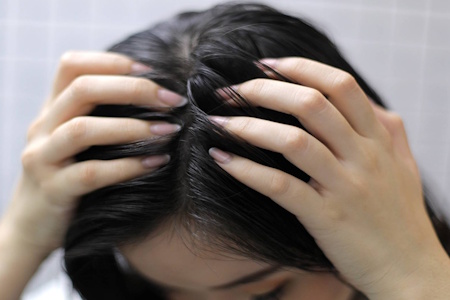
This will help in removing dirt, oil, and impurities without stripping the hair of its natural moisture. A clean scalp also ensures better hair growth and reduces the chances of infections.
2. Condition Your Hair
Frizz is one of the most common hair problems during the rainy season due to excess moisture in the air. Using a conditioner after every shampoo is essential as it nourishes the strands and makes hair smoother, shinier, and more manageable.
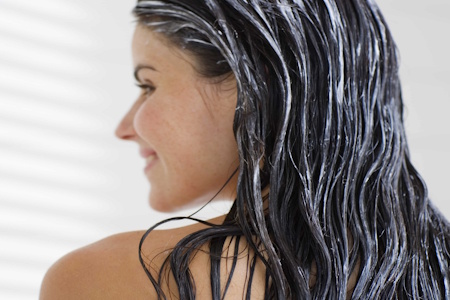
You can also use a leave-in conditioner or a light hair serum to lock in moisture and keep frizz under control. This step will make your hair less prone to tangling and breakage.
3. Dry Your Hair Properly
One of the biggest mistakes people make is tying wet hair. Wet hair is weak and fragile, which increases the chances of breakage and scalp infections. Always pat your hair gently with a soft towel instead of rubbing it harshly.
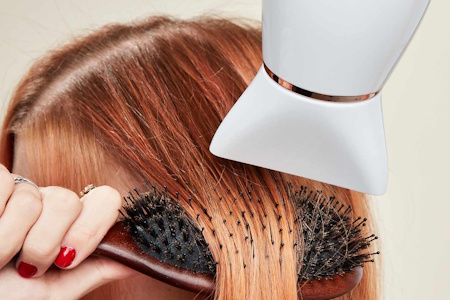
Let your hair air-dry naturally whenever possible instead of relying on heat-based styling tools like blow dryers, which can make hair dry and brittle in the long run.
4. Oil Your Hair Lightly
Oiling is important to keep the scalp nourished, but heavy oiling during monsoon can attract more dirt and grease. Instead, massage your scalp lightly with coconut, almond, or argan oil once a week. This helps in improving blood circulation, strengthening roots, and reducing dryness.

Applying oil before shampoo also prevents excessive dryness caused by frequent hair washes during the rainy season.
5. Protect Hair from Humidity and Rain
The humidity in the monsoon makes hair frizzy and unmanageable, while rainwater can weaken the scalp due to its acidic nature. Whenever you step out, cover your hair with a scarf, cap, or umbrella to protect it from getting wet.

If your hair does get drenched in the rain, wash it immediately with a mild shampoo to remove pollutants and prevent scalp infections.
6. Trim and Maintain Your Hair
Maintaining a good haircut during the monsoon makes a big difference in hair health. Regular trimming helps remove split ends and prevents hair from looking dull and rough.
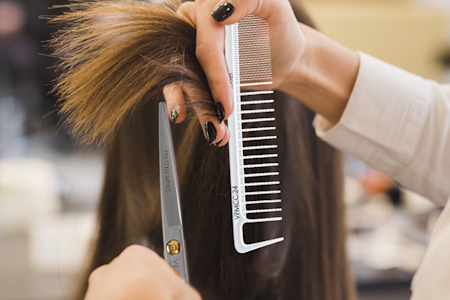
Shorter or medium length hair is easier to manage in humid weather, while very long hair can become sticky and more prone to tangling and breakage.
7. Eat a Balanced Diet and Stay Hydrated
Healthy hair comes from within, and your diet plays an important role in maintaining strong and shiny hair. Include protein-rich foods like eggs, lentils, nuts, and fish in your meals. Vitamins such as A, C, E, and biotin are excellent for hair growth and overall scalp health.

Drinking enough water is also important, as it keeps both your scalp and hair hydrated, reducing dryness and hair fall.
8. Avoid Excess Heat and Styling
During the monsoon, hair is already exposed to high humidity, which makes it weak and frizzy. Using heat-based styling tools like straighteners, curlers, and blow dryers can worsen the damage and lead to excessive dryness.

Instead, opt for natural hairstyles that are easy to maintain. If you must use heat styling, always apply a heat-protectant serum to minimize damage.
9. Try Simple Home Remedies
Monsoon hair care can be supported with natural remedies that are safe and effective. Applying aloe vera gel mixed with coconut oil can help control frizz and add shine.

Fenugreek seed paste is excellent for preventing dandruff and soothing the scalp, while rinsing your hair with green tea can reduce infections and keep your scalp fresh. These remedies not only improve hair health but also reduce dependence on chemical-based products.