12 Signs of Heart Disease You Ignore But Should Not
Heart disease often develops silently, and early warning symptoms are sometimes mistaken for minor health issues. Recognizing these signs can help in timely diagnosis and prevention of serious complications like heart attack, heart failure, or stroke. Here’s a 12 signs of heart disease that many people ignore but should never overlook.
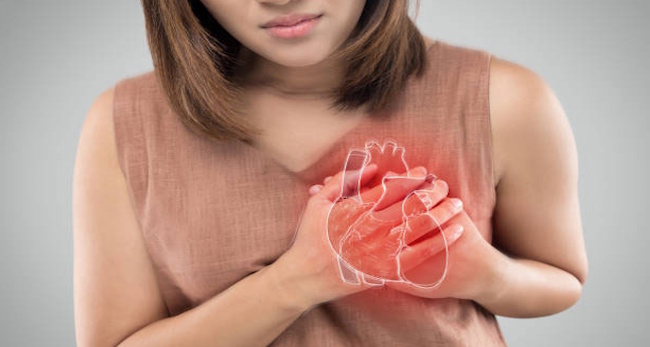
1. Chest Pain or Discomfort (Angina)
- What it feels like: Pressure, tightness, heaviness, squeezing, or burning sensation in the chest.
- Why it matters: This is the most common sign of reduced blood flow to the heart (angina) or a possible heart attack. Many people mistake it for gas, acidity, or muscle strain.
- When to act: If chest pain occurs with exertion or stress and improves with rest, it may indicate heart disease. If pain is severe or prolonged, seek emergency care immediately.
2. Shortness of Breath
- What it feels like: Difficulty in breathing during activity, while lying flat, or even at rest.
- Why it matters: The heart and lungs work closely. If the heart is weak or not pumping efficiently, fluid builds up in the lungs, causing breathlessness (a classic sign of heart failure).
- When to act: If you find yourself breathless while doing activities you previously managed easily, get checked.
3. Fatigue and Weakness

- What it feels like: Persistent tiredness, lack of energy, even after adequate sleep.
- Why it matters: Poor heart function leads to less oxygen-rich blood reaching tissues, causing constant fatigue. Many ignore this as age, stress, or overwork.
- When to act: If fatigue is ongoing, unexplained, and affects daily activities, it could be a warning of heart disease.
4. Irregular Heartbeat (Palpitations)
- What it feels like: Skipped beats, fluttering, pounding, or racing heartbeat.
- Why it matters: It may indicate arrhythmia (abnormal heart rhythm), which can increase the risk of stroke or sudden cardiac arrest.
- When to act: Occasional palpitations may be harmless, but frequent or associated with dizziness/fainting need medical evaluation.
5. Swelling in Feet, Ankles, or Legs (Edema)
- What it feels like: Puffiness or tight shoes/rings.
- Why it matters: The heart’s inability to pump effectively causes blood to back up in veins, leading to fluid retention. It’s a common sign of heart failure.
- When to act: Persistent swelling in the legs, especially if accompanied by shortness of breath, requires urgent attention.
6. Persistent Cough or Wheezing

- What it feels like: Ongoing cough (sometimes producing pink, frothy mucus).
- Why it matters: Fluid buildup in lungs due to weak heart pumping (congestive heart failure) causes cough and wheezing.
- When to act: If cough is unexplained, especially worse when lying down, see a doctor.
7. Pain in Other Areas of the Body
- What it feels like: Pain or discomfort spreading to arms, shoulders, neck, jaw, back, or stomach.
- Why it matters: Heart attack pain often radiates beyond the chest. Many confuse it with muscle pain, indigestion, or dental issues.
- When to act: Pain that starts in the chest and spreads should never be ignored – call emergency services.
8. Dizziness or Fainting
- What it feels like: Lightheadedness, sudden blackout, or actual fainting.
- Why it matters: Low blood flow to the brain due to abnormal heart rhythms, low blood pressure, or valve problems.
- When to act: Frequent dizziness/fainting episodes must be evaluated for serious cardiac conditions.
9. Excessive Sweating (Cold Sweats)
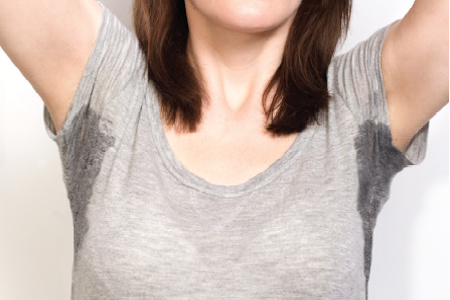
- What it feels like: Sudden sweating without exertion, clammy skin.
- Why it matters: During a heart attack, the nervous system activates stress responses, causing cold sweats.
- When to act: If accompanied by chest pain, breathlessness, or nausea → emergency.
10. Indigestion, Nausea, or Vomiting
- What it feels like: Upset stomach, bloating, or nausea that doesn’t resolve with usual remedies.
- Why it matters: Especially in women, heart disease symptoms can mimic gastric issues. Heart attack pain is often mistaken for acidity or indigestion.
- When to act: If digestive discomfort occurs with chest pressure, fatigue, or sweating, get checked immediately.
11. Sleep Disturbances & Sleep Apnea
- What it feels like: Trouble sleeping, frequent waking, snoring, or gasping for air at night.
- Why it matters: Sleep apnea increases risk of high blood pressure, irregular heartbeat, and heart failure. Poor sleep quality is often linked with heart problems.
- When to act: Persistent poor sleep + fatigue = possible cardiovascular issue.
12. Unexplained Anxiety or Restlessness
- What it feels like: Feeling unusually anxious, restless, or a sense of impending doom.
- Why it matters: Emotional distress can sometimes be an early sign of heart attack, especially in women. Anxiety may also result from oxygen deprivation in the brain due to poor heart pumping.
- When to act: If anxiety is sudden, severe, and coupled with chest discomfort, sweating, or palpitations → seek urgent care.
✅ Key Takeaway
Heart disease symptoms are often subtle and mistaken for minor issues. But if you notice recurring or worsening signs, especially a combination (like chest pain + breathlessness + fatigue), don’t ignore them. Early detection saves lives.